
When a relationship ends, you may feel emotionally overwhelmed by questions such as, “What happens to our pet?”
In Australia, pets are often treated as family members, and this is particularly evident with household pets. From 10 June 2025, Australian family law has formally recognised “a companion animal” provisions that now require courts to consider an animal’s welfare during property settlements.
At Shan Lawyers, we recognise that this is not just a legal issue, but an emotional one as well. Our role is to guide you through these changes with clarity, compassion, and practical advice, so your pet’s well-being is not overlooked during an already difficult time.
What Changed in June 2025?
The Family Law Amendment Act 2024 introduced a statutory definition of companion animals: an animal kept primarily for companionship. This typically includes dogs, cats, and other household pets, but excludes assistance animals and animals kept for commercial or business purposes.
Importantly, this reform does not introduce “pet custody” in the way parenting orders apply to children. Instead, when the court is dividing property under sections 79 or 90SM of the Family Law Act 1975 (Cth), it must now consider eight specific factors that focus on care, connection, and welfare, not simply whose name appears on the microchip or registration.
This change reflects a growing recognition that pets are living beings with needs, routines, and emotional bonds, not just assets to be allocated.
What Courts Now Look At in Pet Disputes
When determining who should retain a companion animal, courts take a practical, evidence-based approach. They look closely at:
- Who provided daily care, such as feeding, walking, grooming, and training
- Who managed veterinary appointments and made health-related decisions
- The strength of the bond between the animal and any children in the household
- Each party’s future capacity to care for the pet, including housing, work commitments, and lifestyle stability
Critically, family violence considerations now carry statutory weight. Courts must consider whether a pet has been threatened, harmed, or used as leverage during the breakdown of the relationship. In these cases, evidence of sustained involvement in the animal’s life often outweighs ownership paperwork.
At Shan Lawyers, we help clients gather and present the right evidence early, often making the difference between a stressful dispute and a clear, fair outcome.
The Reality of Shared Care Arrangements
Many separating couples hope for shared arrangements, such as alternating weeks or flexible access to holidays. However, section 79(6) strictly limits what a court can order.
A court may only:
- Transfer ownership to one party
- Transfer the animal to a consenting third party
- Order the animal to be sold
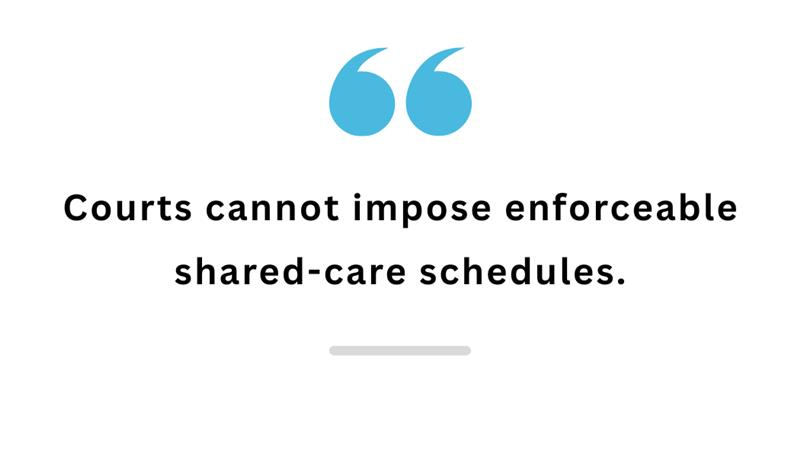
Understanding this limitation early is crucial. Pursuing arrangements that the court cannot legally enforce often leads to unnecessary expense and emotional strain.
That said, this does not mean cooperative solutions are off the table.
Creating Practical Pet Arrangements Outside Court
While the courts are restricted in the orders they can make, you and your former partner are not. Many workable outcomes are achieved through agreement rather than litigation.
Options include:
- Binding Financial Agreements with detailed pet provisions
- Consent Orders reflecting mutually agreed arrangements
- Mediation, focused on the animal’s welfare rather than positional conflict
These agreements can cover:
- Daily care and routines
- Veterinary decision-making
- Cost sharing
- Travel and relocation scenarios
- Emergency arrangements
Our family lawyers at Shan Lawyers have been drafting enforceable pet provisions since the reforms commenced, ensuring agreements are both legally sound and practical in real life.
When Pets and Family Violence Overlap
The 2025 reforms expressly acknowledge that harming or threatening a companion animal constitutes family violence. Withholding access to a pet to cause emotional distress may also amount to economic abuse.
If safety is a concern, your protection and your pet’s must come first. Support services such as Safe Steps (1800 015 188) or RSPCA Victoria’s Pets in Crisis program can provide temporary foster care during family violence situations.
Practical Steps You Can Take Right Now Regarding Pets
If separation is imminent or already underway, consider taking the following steps:
- Keep a record of daily care of your pet: feeding, walks, routines, vet visits
- Gather veterinary records and receipts showing consistent involvement
- Document your pet’s bond with children, where relevant
- Have early, respectful discussions with your former partner before conflict escalates

Clear Advice When It Matters Most
At Shan Lawyers, we provide legally precise advice for emotionally complex family law matters. Since the June 2025 reforms, we have assisted Melbourne families to navigate companion animal considerations in property settlements, offering realistic expectations alongside compassionate guidance.
If you are unsure how the law applies to your situation, we are here to help.
Discuss your situation confidentially
We offer initial consultations to explore how companion animal provisions may affect your property settlement.
Contact Shan Lawyers to speak with a family lawyer experienced in post-reform family law matters.